Australia should back a vote when the UN climate talks cannot reach consensus.
“It’s got to be consensus across more than 190 countries,” Chris Bowen told Guardian Australia ahead of COP31. As Australia’s climate minister and the summit’s President of Negotiations, Bowen will help steer the talks alongside Türkiye’s COP presidency. Bowen should use that role to push for change to the procedure and introduce a fallback vote – moving away from the fossil fuel chains of consensus a fossil fuel lobbying win at COP1.
The fossil fuel lobby’s most durable win at COP may have been procedural. A government can threaten to block a decision and get the text watered down before it reaches the floor. Then the rest of us are asked to celebrate the words that survived. My Bluesky thread on the history and the case for reform
What Glasgow and Dubai left out
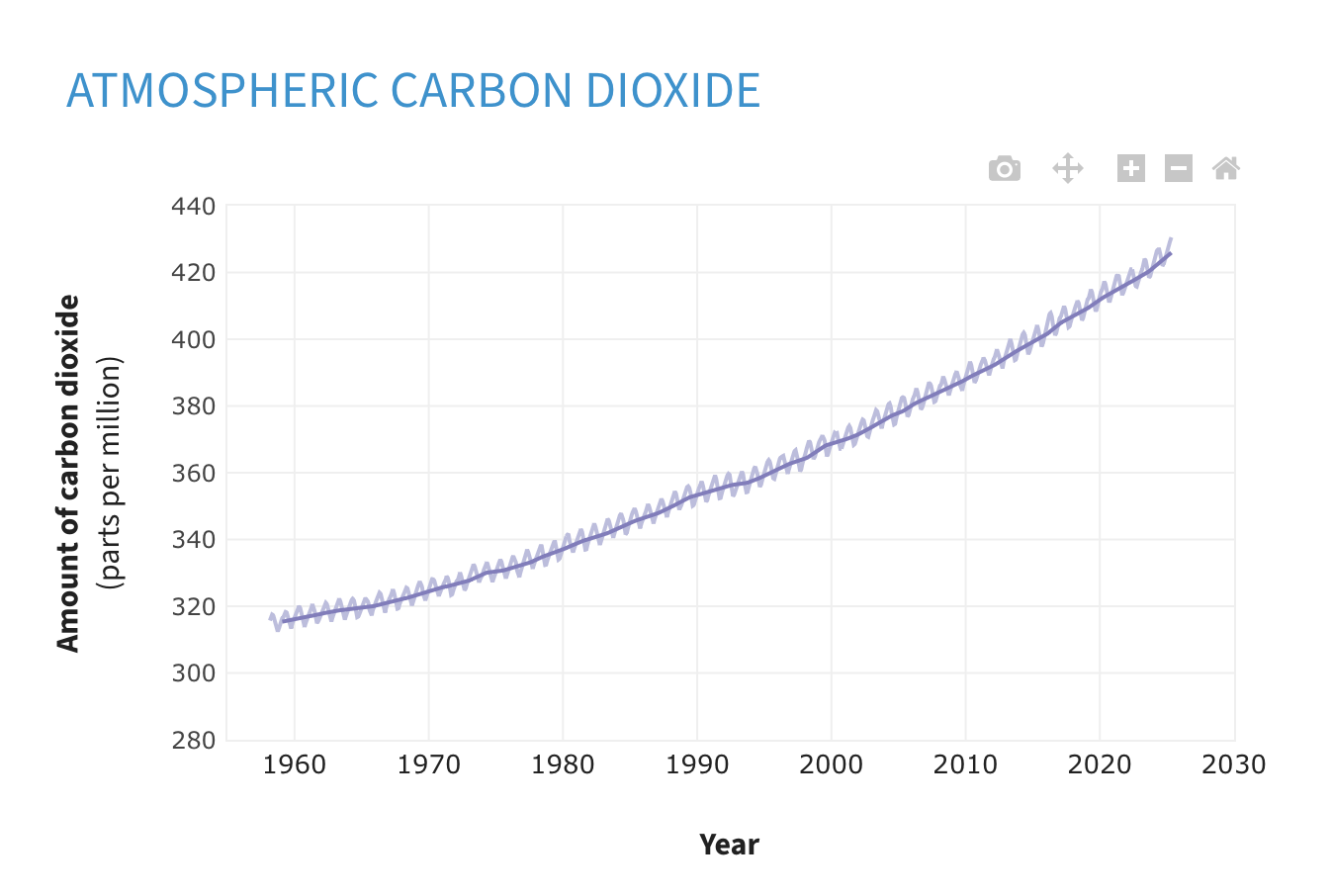
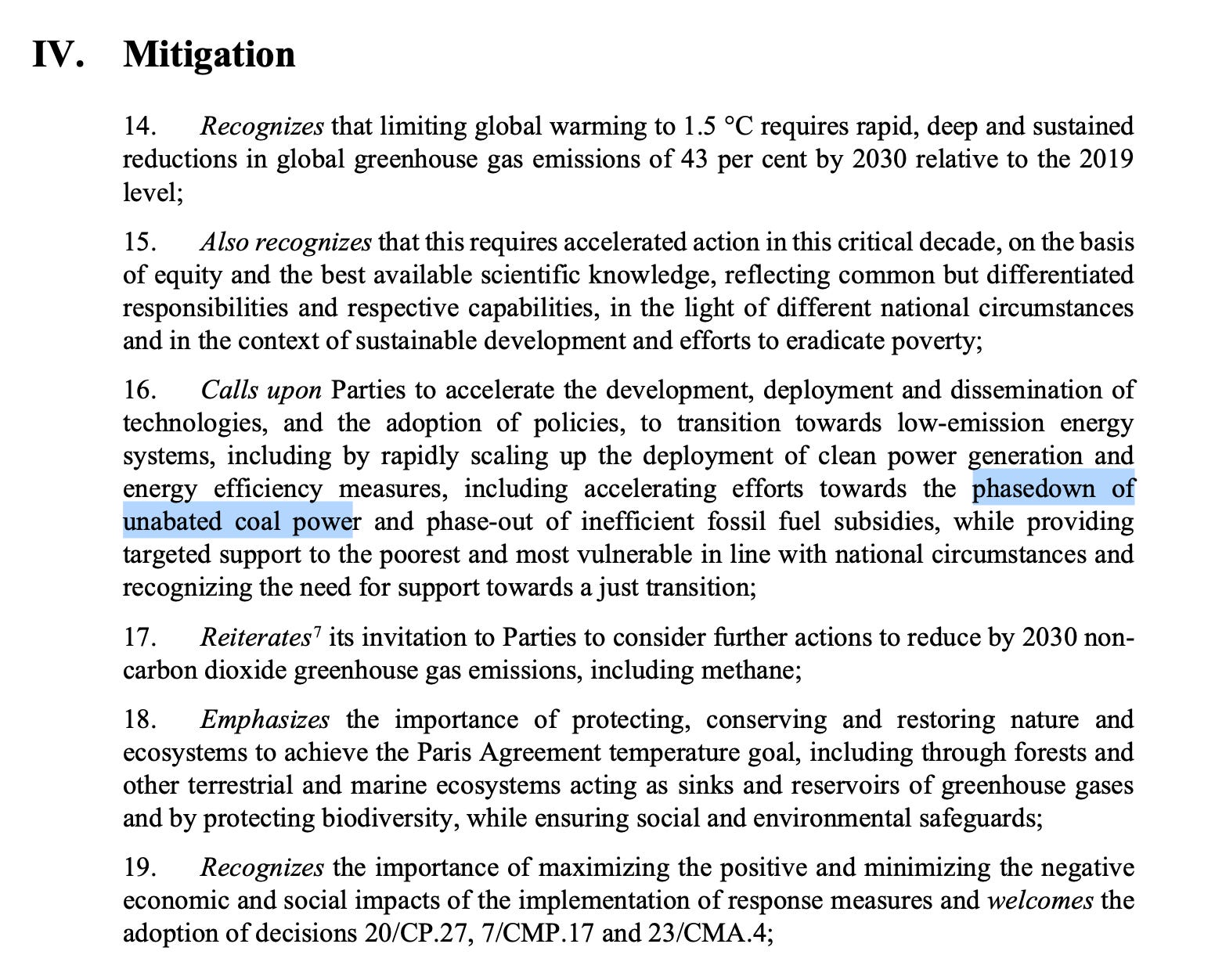
At COP26 in Glasgow in 2021, UN Climate Change highlighted the first call to cut unabated coal power. The draft called for a phase-out. The adopted text called for a phasedown and set no deadline. COP27 in Sharm el-Sheikh in 2022 carried the wording forward. At COP28 in Dubai in 2023, governments finally called for “transitioning away from fossil fuels in energy systems”. The UN hailed the “beginning of the end” of the fossil fuel era. The decision set no phase-out dates for coal, oil or gas. Glasgow outcome · Sharm el-Sheikh decision, paragraph 16 · Dubai decision, paragraph 28
At COP30 in Belém in 2025, Brazil’s president, Luiz Inácio Lula da Silva, called for a roadmap away from fossil fuels. Carbon Brief counted 86 countries in support including the land down under. Brazil’s presidency put an option for developing national roadmaps in the draft, but it dropped out of the final deal. Brazil then drew up a voluntary roadmap anyway and plans to present it in Antalya on 10 November. A negotiated decision could set deadlines, identify who pays and require countries to report on progress. Carbon Brief’s account of Belém · Brazil’s roadmap · Antalya launch programme
The deadlock carried into the June 2026 talks in Bonn. Carbon Brief reportedthat negotiators left without agreement on how to ramp up emissions cuts. Even the wording on climate science became a fight. The Earth Negotiations Bulletin recorded that Saudi Arabia, India, Russia and Kenya wanted the text to “note” the UN climate research dialogue, while other parties wanted it to “welcome” it. Pacific small island states pushed back, saying the science should not be redacted in political negotiations. In its closing statement, CIEL renewed its call for voting when consensus fails and for safeguards against undue corporate influence.
UNEP estimates that even returning to 1.5°C by the end of the century after overshooting it would require global greenhouse gas emissions to fall 18% by 2030 and 45% by 2035, relative to 2025. A decision that sets no pace for the phase-out gives little reason to expect cuts on that timetable. UNEP Emissions Gap Report 2026
Australia can back a Pacific proposal already on the agenda
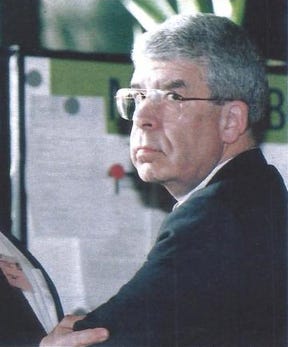
Before COP1 in Berlin in 1995, Saudi Arabia, Kuwait and other oil exporters opposed a fallback vote, with advice from US lobbyists including Don Pearlman. Some wealthy donor governments also insisted on consensus for finance decisions. Transparency International, Fuelling Delay:
“Fossil fuel interests influence UNFCCC decision-making at multiple levels. They shaped the UNFCCC’s founding framework, embedding rules that allow individual countries to block progress.”
The talks still apply the draft rules of procedure with the exception of Rule 42, the voting rule. COP has sometimes proceeded despite a formal objection. At Cancún in 2010, the presidency adopted the main decisions over Bolivia’s objection. That leaves a lot riding on the chair’s judgment.
“Nearly 30 years on, the entire rules of procedure remain in draft form, although they are applied at each COP session, as if they were adopted. “ Dr Joanna Depledge
Le Monde reported on 8 November that the rule is back under scrutiny as the Antalya talks open.
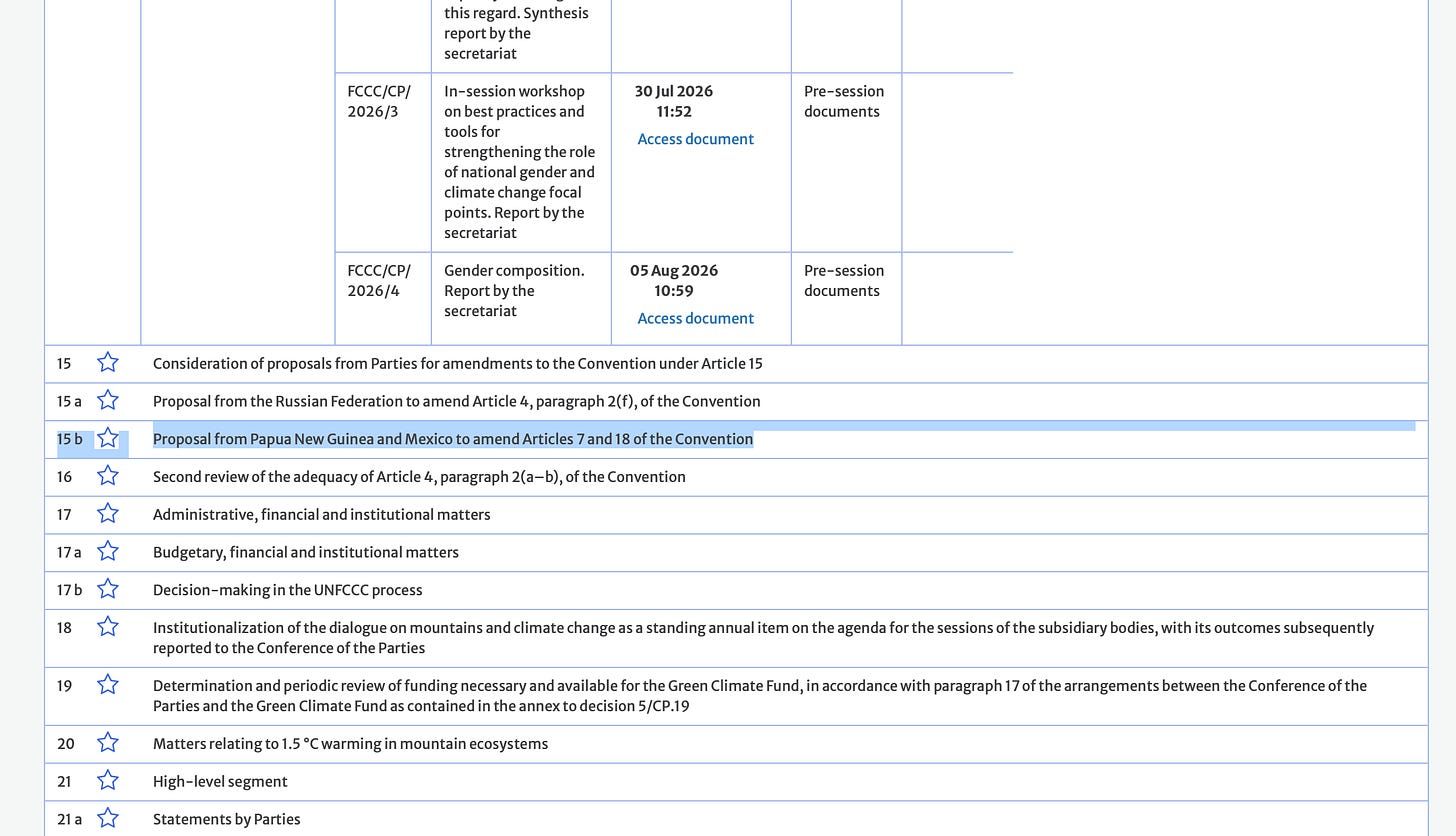
Papua New Guinea and Mexico proposed a way forward in 2011. Seek consensus first. If efforts to reach it are exhausted, allow a decision by a three-quarters majority of parties present and voting, with consensus retained for specified finance decisions. The amendment is item 15(b) on the COP31 provisional agenda. Item 17(b) separately covers how decisions are made. Bowen should state whether Australia backs the proposal and work with Türkiye, Papua New Guinea and Mexico to get both items debated and set a timetable for the next round of talks on reform. Australia has promised to lead the talks in partnership with the Pacific. Here is a proposal from a Pacific country that Australia can help advance. The 2011 proposal · COP31 agenda · Australia’s COP31 statement
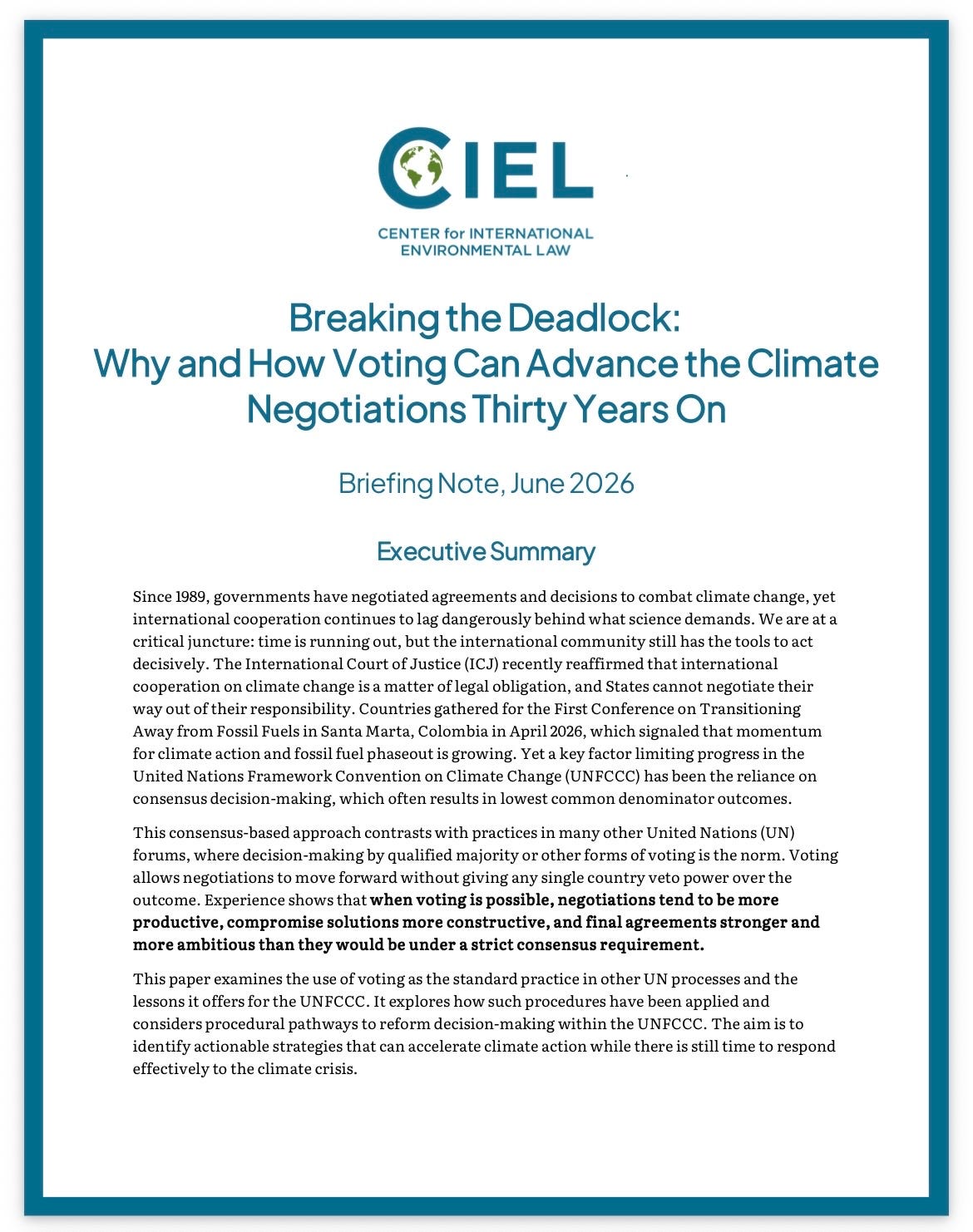
The Center for International Environmental Law sets out two routes. One version of draft Rule 42 proposed a two-thirds fallback vote. Under the Convention as it stands, adopting the rules of procedure itself requires consensus. Parties could agree to a fallback voting rule through the rules of procedure, or amend the Convention. If consensus fails, Article 15 allows an amendment to pass with a three-quarters majority of parties present and voting. It takes effect for the countries that accept it 90 days after at least three-quarters of all Convention parties formally accept it. Reaching that threshold could take years. CIEL also argues that governments may be more willing to compromise if they know they can be outvoted.
“…the prospect of voting can induce Parties that would otherwise block progress to come to the table and work together”.
Changing the rules may ironicaly acutaly bring about consesus…”The King is particularly sensitive to avoid Saudi Arabia being singled out as the bad actor, particularly on environmental issues.”
CIEL’s reform briefing · Article 15
The climate movement should campaign on the rules too
Guardian Australia reported on 8 November that the formal COP31 agenda contains no item on detailed national fossil fuel transition plans. Australia and Türkiye are pursuing an overarching decision. Bowen should put Brazil’s roadmap into those talks and explain how Australia’s own coal and gas export plans fit a global phase-out. Ahead of COP26 in 2021, the BBC reported that Australia had asked IPCC authors to remove a reference to research on how fossil fuel lobbying had weakened climate action in Australia and the US.
Climate Action Network is calling for electrification that actually replaces coal, oil and gas. CIEL is calling for a fallback vote. Climate groups should put voting reform on their list of demands alongside the fossil fuel phase-out. Ask Bowen and other ministers where they stand on the Papua New Guinea–Mexico proposal. Publish their answers. Keep pressing for conflict-of-interest rules and meaningful participation by Indigenous Peoples and communities on the front lines. Climate Action Network’s COP31 demands · CIEL’s COP31 position
As long as holdouts can decide which words survive, COP will stay the tail wagged by the fossil fuel dog. Seek consensus first. Vote if talks deadlock.
We need to stop the wishful thinking. If it’s not changed then COP will continue being a “global greenwashing festival.”
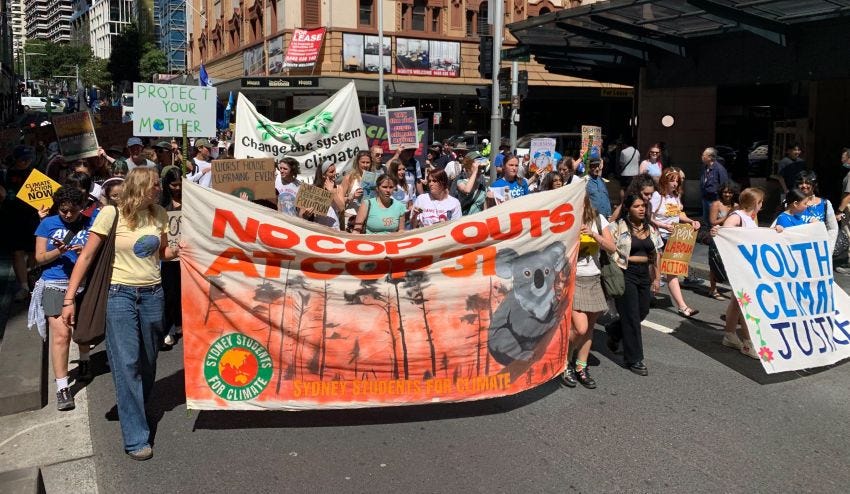
We need to do better and lift Australia’s international reputation beyond the gutter
At COP2 in Geneva in 1996, Australia’s delegation told the plenary it “cannot associate itself with the language on targets” in the declaration calling for legally binding emissions targets. A year later at Kyoto, Australia secured a target of 108% of its 1990 emissions and a rule that raised the baseline itself. Article 3.7 required qualifying countries to count net emissions from land-use change in their 1990 baseline. For Australia, that meant falling land clearing could offset rising fossil fuel emissions on paper. Howard government ministers later warnedCabinet that countries who thought Australia had secured “too good a deal at Kyoto” might push it to cut more. Clive Hamilton of the Australia Institute was blunter at the time “This is a black day for Australia’s international environmental reputation.”
Some cool resources
- Delay, deny, derail: Inside the fossil fuel lobby’s playbook at COPs – Christiana Figueres, Tom Rivett-Carnac and Paul Dickinson podcast
- The Global Story: The oil lobbyist who tried to sink the first big climate deal – Global News Podcast